
Oven-Fried Pork Chops: A Comprehensive Guide
Discover a delightful method for crafting succulent, crispy pork chops without the mess of deep frying! This guide details achieving golden-brown perfection
using your oven, incorporating searing techniques and flavorful coatings for a truly satisfying meal, inspired by recent culinary successes.
Understanding Oven-Fried Pork Chops
Oven-fried pork chops represent a fantastic compromise, delivering a remarkably similar texture and flavor to traditionally fried chops, but with significantly reduced oil usage. The process hinges on mimicking deep-frying through a combination of searing and baking. Initial searing in a hot pan creates a beautiful, flavorful crust – the hallmark of a great fried chop.
Subsequently, finishing the cooking process in the oven ensures the pork reaches a safe internal temperature of 145°F while maintaining juiciness. A crucial element is the coating; Panko breadcrumbs, often enhanced with Italian herbs, provide exceptional crispness. Some recipes utilize a cornstarch dredge prior to the Panko, further amplifying the texture. The addition of aromatics like garlic and rosemary during the searing stage infuses the chops with incredible depth of flavor, elevating the dish beyond a simple weeknight meal.
Why Choose Oven-Frying? (Health & Convenience)
Opting for oven-frying pork chops presents compelling advantages over traditional deep-frying. Primarily, it drastically reduces the amount of oil required, leading to a healthier meal with fewer calories and less fat. This makes it a guilt-free indulgence for those mindful of their dietary intake. Beyond health benefits, oven-frying offers unparalleled convenience.
Unlike deep-frying, which demands constant monitoring and potential splattering hazards, oven-frying allows for a more hands-off approach. Once seared, the chops can be transferred to the oven, freeing you to prepare side dishes or attend to other tasks. The absence of a large volume of hot oil also minimizes cleanup, a significant benefit for busy cooks. Furthermore, oven-frying avoids the lingering fried food odor that can permeate a kitchen, making it a more pleasant cooking experience.
Selecting the Right Pork Chops
The foundation of exceptional oven-fried pork chops begins with selecting high-quality cuts. Thickness is paramount; chops that are too thin will dry out during cooking, while excessively thick ones may not cook evenly. Aim for chops approximately ¾ to 1 inch thick for optimal results. The choice between bone-in and boneless is largely a matter of preference.
Bone-in chops generally retain more moisture and flavor, thanks to the bone’s insulating properties, but boneless chops cook faster and are easier to eat. Consider your desired cooking time and convenience. Regarding USDA grades, look for “U.S. No. 1” or higher for good marbling and tenderness. Avoid chops with excessive fat or discoloration. Remember, thicker, well-marbled chops, whether bone-in or boneless, will yield the most succulent and flavorful oven-fried experience.
Cut Thickness & Bone-In vs. Boneless
Thickness dramatically impacts oven-frying success. Thinner chops, around ½ inch, risk becoming overly dry, losing valuable juiciness during the cooking process. Ideal thickness ranges from ¾ to 1 inch, ensuring a tender interior and a beautifully browned exterior. Regarding bone-in versus boneless, each presents unique advantages.
Bone-in chops offer enhanced flavor and moisture retention, as the bone acts as a natural insulator. However, they require slightly longer cooking times. Boneless chops cook faster and are easier to manage, but may be prone to drying out if not carefully monitored. Many cooks prefer thick-cut, boneless chops for convenience, while others champion the flavor of bone-in varieties. Ultimately, the choice depends on personal preference and desired cooking speed.
Pork Chop Grades (USDA)
Understanding USDA pork grades is crucial for selecting quality chops. The primary grades are USDA Prime, Choice, and Select, reflecting marbling and maturity. USDA Prime, though rare in pork, signifies abundant marbling, promising exceptional tenderness and flavor – ideal for oven-frying. USDA Choice offers good marbling and is widely available, providing a balance of quality and affordability.
USDA Select, the most common grade, has less marbling and may benefit from brining or marinating to enhance tenderness and juiciness before oven-frying. While grading isn’t always prominently displayed, inquiring at your butcher can reveal the grade of the pork chops. Higher grades generally yield more flavorful and succulent results, but even Select-grade chops can be delicious with proper preparation. Consider the intended cooking method when choosing a grade; oven-frying benefits from some level of marbling.
Preparing the Pork Chops for Oven-Frying
Elevate your pork chops through brining or marinating, unlocking tenderness and flavor! A flavorful coating, like panko or cornstarch, is essential for achieving
crispy, oven-fried perfection.
Brining or Marinating (Flavor & Tenderness)
Unlock exceptional flavor and tenderness in your pork chops through the power of brining or marinating! Both methods work by infusing the meat with moisture and seasoning, resulting in a juicier, more flavorful final product. For a quick marinade, consider a blend of 1.5 tsp Worcestershire sauce, 3 tbsp ketchup, 1.5 tbsp soy sauce, 3 tbsp brown sugar, 1.5 tbsp olive oil, 1.5 minced garlic cloves, and 3 tsp apple cider vinegar, with a dollop of Gochujang for a spicy kick.
Alternatively, a brine—a salt and sugar-based solution—can deeply penetrate the pork. Experiment with salt, sugar, and your favorite spices. Remember to adjust seasoning in your coating accordingly if brining. These preparatory steps are crucial for ensuring your oven-fried pork chops are not only crispy on the outside but also incredibly succulent and flavorful throughout, setting the stage for a truly memorable meal.
Marinade Recipes (Worcestershire, Ketchup, Soy Sauce Based)
Elevate your pork chop’s flavor profile with a dynamic marinade! A popular choice blends the savory depth of Worcestershire sauce (1.5 tsp) with the sweetness of ketchup (3 tbsp) and the umami richness of soy sauce (1.5 tbsp). To balance these flavors, incorporate 3 tbsp of brown sugar, adding a delightful caramelization during oven-frying. Enhance the marinade with 1.5 tbsp of olive oil for moisture retention and 1.5 minced garlic cloves for aromatic complexity.
A touch of acidity from 3 tsp of apple cider vinegar brightens the overall taste, while a dollop of Gochujang introduces a subtle, pleasant heat. Marinate pork chops for at least 30 minutes, or up to several hours, ensuring even flavor distribution. This marinade creates a beautiful glaze during cooking, complementing the crispy coating and resulting in incredibly tender and flavorful oven-fried pork chops.
Brine Recipes (Salt, Sugar, Spice Based)
Unlock exceptional tenderness and juiciness with a flavorful brine! A foundational brine combines salt and sugar, drawing moisture into the pork and enhancing its natural flavors. Begin with a base of water, then dissolve a generous amount of salt – approximately ¼ cup per gallon – alongside an equal amount of sugar, like granulated or brown sugar.
To elevate the brine, introduce aromatic spices. Consider peppercorns, bay leaves, garlic cloves, and sprigs of fresh herbs like thyme or rosemary. A simple brine recipe could include 4 cups of water, ¼ cup salt, ¼ cup sugar, 1 tbsp peppercorns, 2 bay leaves, and 4 crushed garlic cloves. Submerge the pork chops in the brine for at least 2 hours, or ideally overnight, in the refrigerator. Pat the chops thoroughly dry before coating and oven-frying, ensuring a crispy exterior.
Creating the Coating
Achieving that coveted crispy texture begins with a well-executed coating. Two primary approaches deliver exceptional results: a classic Panko breadcrumb coating and a simple cornstarch dredge. Panko breadcrumbs, known for their larger flakes, create a remarkably crunchy exterior. Combine Panko with Italian herbs, salt, pepper, and even garlic powder for enhanced flavor. A generous layer is key – don’t be shy!
Alternatively, a cornstarch dredge offers a lighter, yet still satisfyingly crisp coating. Simply toss the pork chops in cornstarch, ensuring they are evenly coated on all sides. For an extra layer of texture, combine cornstarch with a small amount of water to create a slurry before coating the pork. Both methods prepare the chops to beautifully brown and crisp during the oven-frying process, locking in juices.
Panko Breadcrumb Coating (Italian Herb Variations)
For a truly exceptional crust, Panko breadcrumbs are the star. Their large, irregular flakes create a superior crunch compared to traditional breadcrumbs. Begin with 2 to 3 cups of Italian herb Panko – don’t skimp, a generous coating is vital! Enhance the flavor profile by incorporating 2 tablespoons of Italian seasoning, 2 tablespoons of ground black pepper corns, and 1 tablespoon of salt directly into the Panko.
Feel free to experiment with variations! Add a pinch of red pepper flakes for a subtle heat, or incorporate dried oregano or basil for a more pronounced Italian flavor. Ensure the Panko mixture is thoroughly combined before transferring it to a large plate. This provides ample space for pressing the pork chops firmly into the coating, ensuring complete and even coverage for maximum crispiness.
Cornstarch Dredge (For Crispy Texture)
A crucial step towards achieving incredibly crispy oven-fried pork chops involves a cornstarch dredge. This creates a light, even layer that promotes browning and enhances the adhesion of the Panko breadcrumb coating. In a bowl, combine ¼ cup of cornstarch with ¼ cup of water, whisking until a smooth, slurry-like consistency is achieved.
Before coating the pork chops in Panko, gently pat them dry with paper towels – this is essential for the cornstarch to adhere properly. Then, carefully drag each pork chop through the cornstarch mixture, ensuring all sides are fully coated. This initial layer not only adds crispness but also helps to lock in moisture during the oven-frying process, resulting in a juicier, more flavorful final product.
Seasoning the Coating
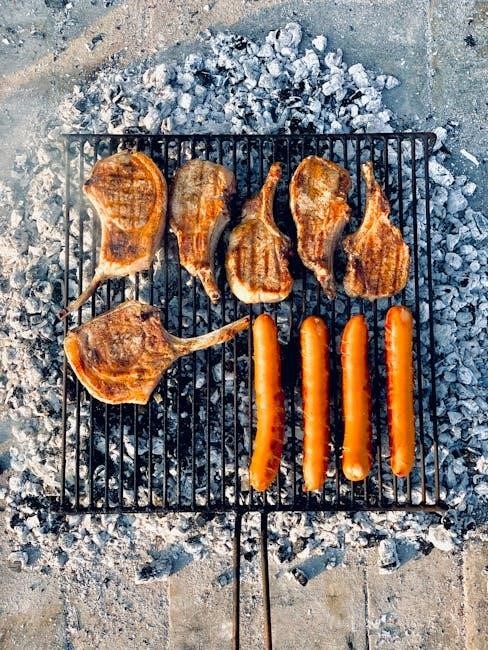
Elevating the flavor profile of your oven-fried pork chops begins with thoughtfully seasoning the coating. A foundational blend of salt, pepper, and Italian seasoning provides a classic, savory base. Combine 2 tablespoons of ground black pepper corns, 2 tablespoons of Italian seasoning, and 1 tablespoon of salt with your Panko breadcrumbs, mixing thoroughly to ensure even distribution.
For a more nuanced taste, consider infusing the coating with garlic and rosemary. Sliced garlic cloves and fresh rosemary sprigs can be added directly to the melted butter during the searing process, imparting their aromatic essence to the pork chops. This technique, combined with the initial seasoning, creates a complex and irresistible flavor that complements the tender pork beautifully.
Salt, Pepper, and Italian Seasoning Blend
Creating a robust and familiar flavor foundation for your oven-fried pork chops is effortlessly achieved with a simple yet effective seasoning blend. This classic combination of salt, pepper, and Italian seasoning delivers a savory profile that enhances the natural taste of the pork. Begin with a generous 2 tablespoons of ground black pepper corns, providing a noticeable, pleasant spice.
Complement this with 2 tablespoons of Italian seasoning, offering herbaceous notes of oregano, basil, thyme, and marjoram. Finally, incorporate 1 tablespoon of salt, crucial for both flavor and drawing out moisture for a crispier coating. Thoroughly mix these ingredients into your Panko breadcrumbs, ensuring every crumb is evenly coated for consistent seasoning across each pork chop. This blend is a cornerstone of deliciousness!
Garlic & Rosemary Infusion
Elevate your oven-fried pork chops with the aromatic allure of garlic and rosemary, a pairing that adds depth and complexity to the overall flavor profile. Begin by thinly slicing 4 cloves of garlic, preparing them to infuse their pungent essence into melted butter. Simultaneously, gather 4 fresh rosemary sprigs, ready to release their piney fragrance.
Melt 1/8th stick of unsalted butter in the carbon steel pan, creating a fragrant base. Add the sliced garlic to the melted butter, gently tilting the pan to pool the butter and ensure even cooking. Spoon the garlic-infused butter generously over the seared pork chops, allowing it to coat each piece. Then, add the fresh rosemary to the butter, stirring briefly before placing the sprigs atop the chops. This infusion creates a truly unforgettable taste!

The Oven-Frying Process
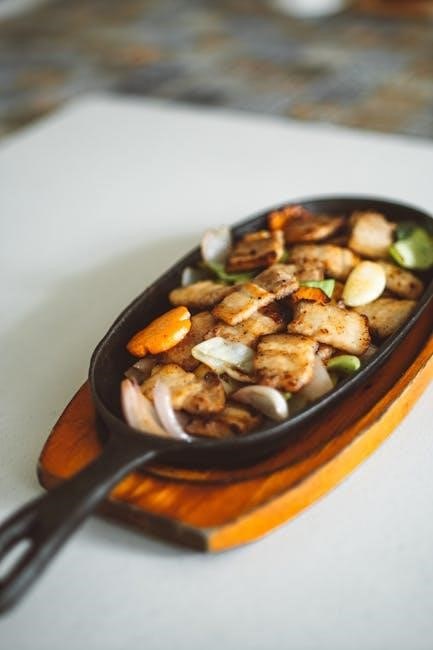
Begin by preheating your oven to 425°F, then sear the coated pork chops to achieve a beautiful color and enhanced flavor before finishing them in the oven.
Preheating the Oven (Optimal Temperature: 425-450°F)
Achieving the correct oven temperature is paramount for successful oven-fried pork chops. A range of 425-450°F provides the necessary heat to create a crispy exterior while ensuring the pork cooks through evenly. Some recipes, as demonstrated by recent home cooks, lean towards 450°F for a quicker cook and extra crispiness, while others prefer 425°F for a more gentle cooking process.
Preheating is crucial; allow sufficient time – typically 15-20 minutes – for the oven to reach the desired temperature. An oven thermometer is highly recommended to verify accuracy, as oven calibrations can vary. Consistent heat distribution is key, so avoid overcrowding the oven. Proper preheating guarantees optimal results, contributing significantly to the texture and overall quality of your oven-fried pork chops. Remember to adjust cooking time slightly based on your oven’s specific performance.
Searing the Pork Chops (Achieving Color & Flavor)
Searing the pork chops before oven-finishing is a vital step, developing a rich, flavorful crust and enhancing the overall taste. Utilize a medium-high heat and a suitable pan – carbon steel is highly recommended for its even heating properties, as highlighted by recent recipes; Add a thin layer of olive oil to prevent sticking and promote browning.
Sear each side for approximately 2 minutes, or until a golden-to-darker brown color appears. Don’t overcrowd the pan; work in batches if necessary to maintain consistent heat. Adding a small amount of butter during the final minute of searing, along with sliced garlic, infuses additional flavor. Continuously monitor and add more oil as needed to prevent burning. This initial sear locks in juices and creates a delightful textural contrast.
Using a Carbon Steel Pan for Even Heating
Carbon steel pans are exceptionally well-suited for searing pork chops due to their superior heat retention and distribution capabilities. Unlike cast iron, they heat up more quickly and are lighter in weight, offering greater maneuverability. This even heating prevents hot spots that can lead to uneven cooking and burning, crucial for achieving a consistent golden-brown crust on all sides of the chop.
Experienced cooks recommend using one side of the pan at a time when searing in batches, maximizing heat contact. Properly seasoned carbon steel develops a natural non-stick surface, minimizing oil usage and simplifying cleanup. The pan’s responsiveness to temperature changes allows for precise control during the searing process, ensuring optimal color and flavor development, as demonstrated in recent successful recipes.
Adding Oil & Butter During Searing
Begin searing with a thin layer of olive oil in your carbon steel pan, ensuring it coats the surface evenly. This prevents sticking and facilitates initial browning. As the pork chops sear, don’t hesitate to add more oil as needed to maintain consistent contact and prevent dryness. The introduction of unsalted butter towards the end of the searing process elevates the flavor profile significantly.
Melt the butter on one side of the pan, then add sliced garlic, tilting the pan to pool the butter. Spoon this aromatic garlic butter over the pork chops, infusing them with rich flavor. Fresh rosemary sprigs can be added to the butter, stirred briefly, and then placed atop the chops for an herbaceous finish. Continuously spooning the melted butter over the chops until it’s almost gone creates a luscious glaze, enhancing both taste and appearance.
Finishing in the Oven (Reaching 145°F Internal Temperature)
After achieving a beautiful sear on all sides, carefully transfer the pork chops to the preheated 425°F oven. This crucial step allows the chops to cook through to a safe and optimal internal temperature. Monitor the cooking process closely, as oven times will vary depending on chop thickness and oven calibration.
Utilize a reliable meat thermometer to accurately gauge doneness. Pork chops are considered safely cooked when they reach an internal temperature of 145°F. Avoid overcooking, as this can result in dry, tough meat. Once the target temperature is reached, remove the pork chops from the oven and immediately tent them loosely with aluminum foil. This resting period is vital for allowing the juices to redistribute, ensuring a tender and flavorful final product.
Resting the Pork Chops (Maintaining Juiciness)
The resting period, often overlooked, is paramount for achieving exceptionally juicy oven-fried pork chops. Immediately after removing the chops from the oven – once they’ve reached 145°F – cover them loosely with aluminum foil. This creates a gentle environment, allowing the muscle fibers to relax and reabsorb the flavorful juices that have been driven towards the center during cooking.
Resist the temptation to cut into the pork chops immediately! A minimum resting time of five minutes is recommended, though longer rest periods (up to ten minutes) can yield even more tender results; During this time, the internal temperature may continue to rise slightly, a phenomenon known as carryover cooking. Resting ensures a more even distribution of moisture, preventing a dry and disappointing outcome.
Serving Suggestions & Side Dishes
Oven-fried pork chops are wonderfully versatile, pairing beautifully with a diverse range of side dishes. For a comforting and complete meal, consider roasted potatoes – halved and tossed with olive oil, kosher salt, pepper, and garlic powder, then baked alongside the chops at 450°F. This streamlined approach maximizes oven efficiency and delivers perfectly timed results.
Beyond potatoes, vibrant green vegetables like steamed broccoli, sautéed green beans, or a fresh garden salad provide a delightful contrast to the richness of the pork. A simple coleslaw offers a cool and crunchy element. Don’t underestimate the power of a flavorful sauce or gravy; a pan sauce created from the pork chop drippings, enhanced with a touch of apple cider vinegar, elevates the dish.