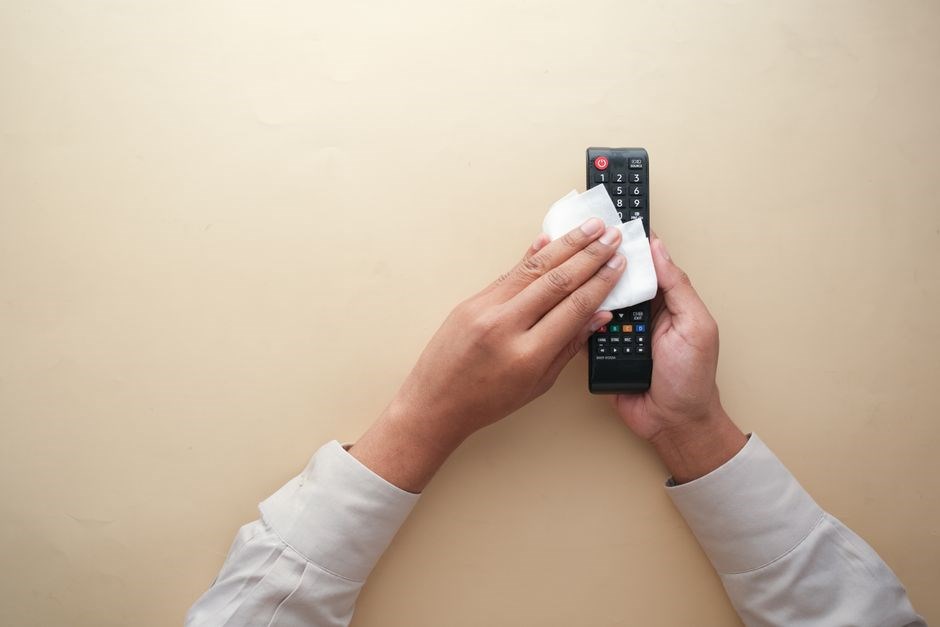
Overview of Ambient Technologies
Ambient technologies blend sensors, low‑power processors, and wireless links to enable devices that react to light, temperature, motion, or user presence without explicit commands. This creates seamless, context‑aware control in smart spaces. Energy use low now.
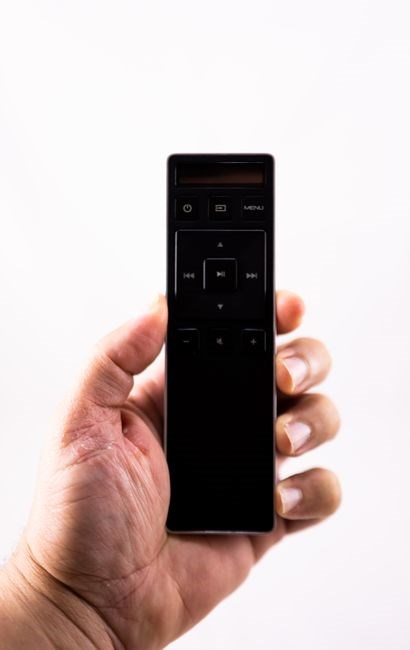
Remote Control Fundamentals
Remote control fundamentals encompass signal generation, modulation, and decoding. Devices use IR, RF, or BLE to transmit commands, requiring precise timing, error handling, and power efficiency. Standards like NEC or RC5 ensure interoperability across brands and platforms. Enabling low‑power control.!!
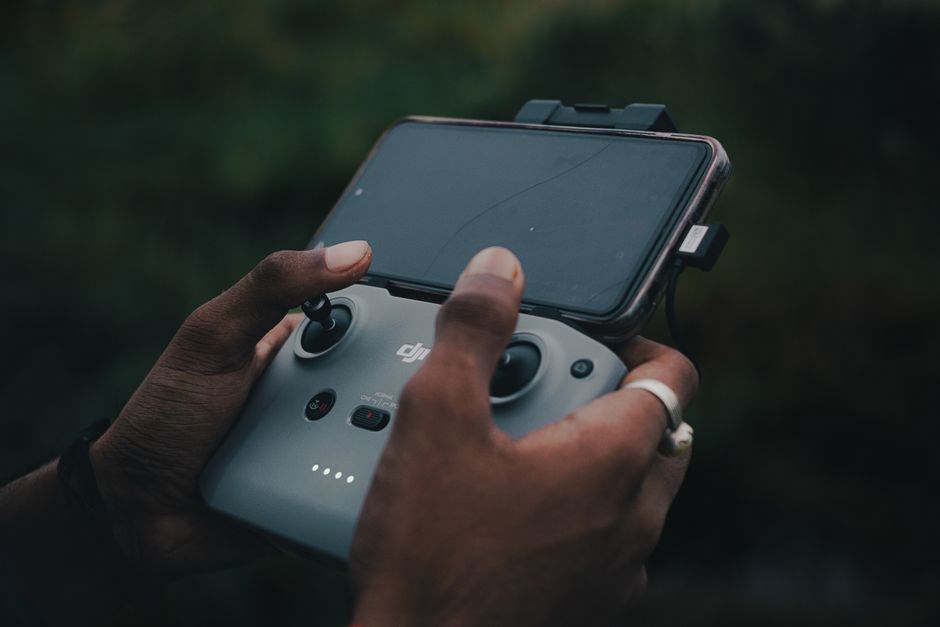
Types of Remote Control Signals
Remote control signals are categorized by the physical medium they use, influencing range, line‑of‑sight needs, bandwidth, and power draw; The most common families are infrared, radio‑frequency, and low‑energy wireless protocols that integrate with smart‑home ecosystems.
- Infrared (IR): Uses modulated light pulses, requires line‑of‑sight, and is common in TV and air‑conditioner remotes.
- Radio‑Frequency (RF): Operates in 433 MHz or 2.4 GHz bands, penetrates walls, and supports bidirectional data for status feedback.
- Bluetooth Low Energy (BLE): Provides short‑range, encrypted links up to 30 m, ideal for smartphone‑based control and integration with voice assistants. Low power consumption enables months‑long battery life.
- Zigbee and Thread: Mesh‑network protocols that extend coverage by hopping between nodes, supporting many sensors and actuators with low latency and reliable delivery in large installations.
When choosing a remote, verify the supported protocol and frequency to match the target device, and consider battery life and any required pairing steps.Online marketplaces such as Amazon, eBay, and specialized industrial suppliers list remotes with detailed specifications, making it easier to compare IR, RF, BLE, and Zigbee options before purchase.Read the Q&A to verify latency specs and ensure the remote firmware matches your device’s version for seamless use.
Standardization and Compatibility
Standardization ensures that remote control signals, protocols, and device firmware can interoperate across manufacturers and ecosystems. The most widely adopted frameworks include the Consumer Electronics Association (CEA‑861) for HDMI‑CEC, the Bluetooth SIG for BLE, and the Thread Group for low‑power mesh networking. These bodies publish specification documents, certification programs, and reference implementations that developers reference when designing hardware and software. For infrared remotes, the Infrared Remote Control (IRRC) standard defines pulse widths, carrier frequencies (38 kHz), and command tables, allowing a single remote to command a TV, a soundbar, and a home‑theater receiver. Radio‑frequency remotes rely on the IEEE 802.15.4 standard for 2.4 GHz operation, which underpins Zigbee, Thread, and many proprietary RF solutions. Compatibility is further enhanced by open‑source firmware stacks such as the Zephyr RTOS and the open‑source Bluetooth stack, which provide plug‑in modules for new devices. Certification programs, such as the Bluetooth SIG’s “Bluetooth Compatibility” program and the Zigbee Alliance’s “Zigbee Certified” program, verify that devices meet interoperability requirements. By adhering to these standards, manufacturers reduce development cycles, lower costs, and provide consumers with a seamless experience across multiple brands and product lines. The adoption of cloud‑based device registries, such as the Matter protocol’s device‑discovery service, allows remote control systems to automatically recognize and configure new devices, further simplifying the user experience. In summary, standardization and compatibility are the backbone of ambient technology ecosystems, enabling robust, secure, and user‑friendly remote control solutions that work across diverse hardware and software platforms. These standards also support OTA updates, keeping devices secure.
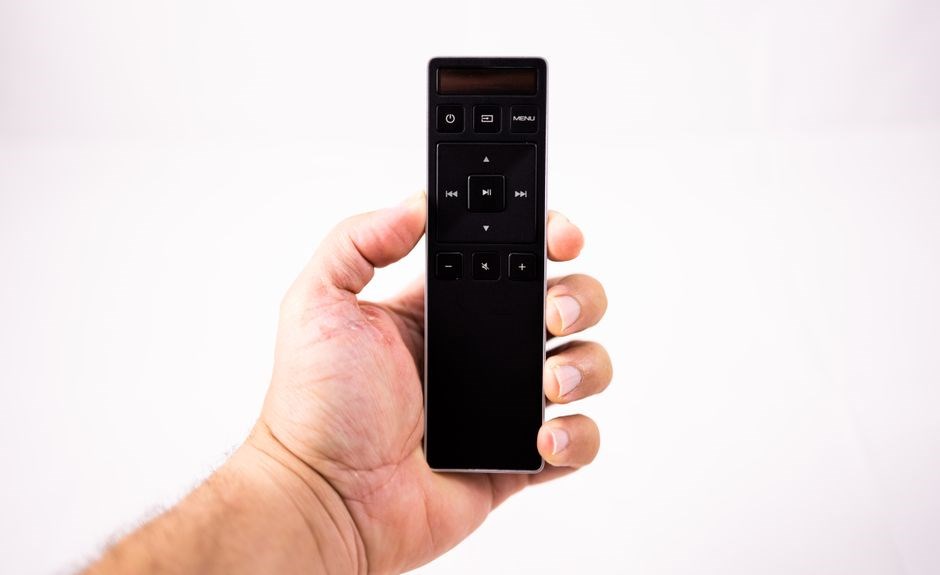
Ambient Sensing Components
Ambient sensing components integrate photodiodes, thermistors, and humidity capsules, enabling devices to detect light, temperature, and moisture. These sensors feed data to microcontrollers, which adjust lighting, HVAC, or alerts, creating context‑aware environments without manual input for optimal safety and use
Light and Infrared Sensors
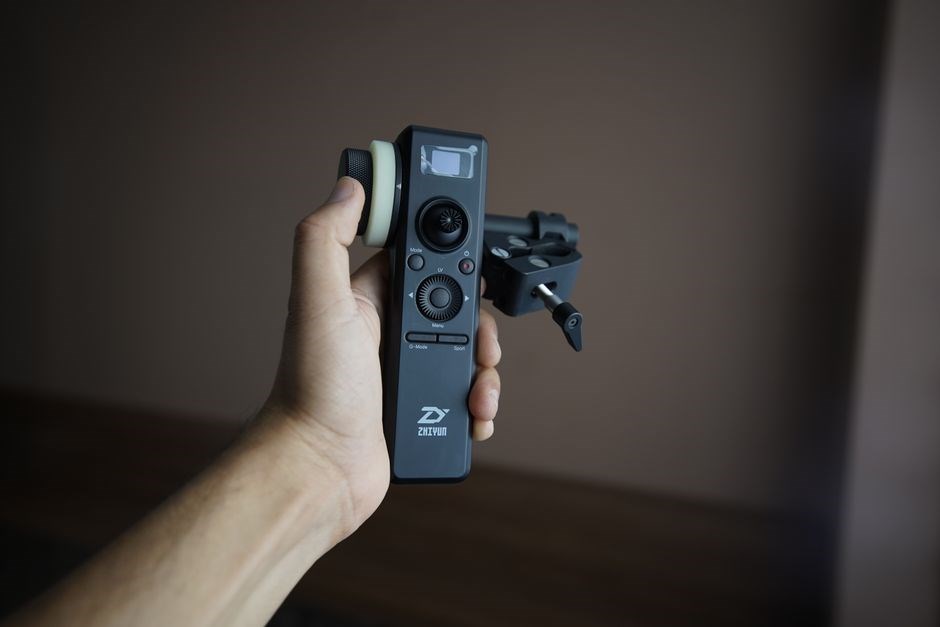
Light and infrared (IR) sensors form the backbone of ambient control systems, translating optical cues into actionable data for microcontrollers. Photodiodes, phototransistors, and complementary metal‑oxide‑semiconductor (CMOS) arrays capture visible light intensity, enabling automatic dimming of LEDs, adaptive brightness in displays, and daylight harvesting for HVAC optimization. IR emitters and receivers, operating typically at 850 nm or 940 nm, detect motion, proximity, and gesture patterns without line‑of‑sight interference. Pulse‑modulated IR signals, often at 38 kHz, allow high‑speed data exchange between remote devices and controllers, supporting legacy remote‑control protocols while remaining power‑efficient. Modern ambient modules integrate both visible‑light and IR sensing on a single silicon die, reducing board space and cost. Calibration routines adjust for ambient temperature drift, ensuring consistent sensitivity across a 0–85 °C range. Spectral filtering protects the sensor from ultraviolet and infrared spillover, enhancing accuracy in outdoor deployments. In smart lighting, light‑sensing algorithms compute lux values, feed them to dimming drivers, and trigger scene‑based presets that respond to user presence or time of day. For security, IR motion detectors pair with cameras to trigger recording only when movement is detected, conserving bandwidth. Energy harvesting from ambient light can power low‑power sensor nodes, enabling battery‑free operation in remote locations. Integration with BLE or Zigbee modules allows the sensor data to be transmitted wirelessly to a central hub, where AI models predict occupancy patterns and adjust environmental controls accordingly. The convergence of imaging, low‑noise photodetectors, and efficient IR communication underpins the next generation of truly responsive, context‑aware ambient control systems.
Temperature and Humidity Sensors
Temperature and humidity sensors are essential for ambient control systems, providing real‑time environmental data that drives adaptive HVAC, lighting, and safety functions. Modern devices use semiconductor thermistors, resistance temperature detectors (RTDs), or digital MEMS chips to measure temperature from –40 °C to 125 °C with ±0.2 °C accuracy. Capacitive humidity elements, often combined with on‑chip temperature compensation, deliver relative humidity readings from 0 % to 100 % RH with ±2 % error. Calibration curves stored in non‑volatile memory correct for sensor drift caused by aging or contamination. Low‑power designs consume less than 1 µA in sleep mode, allowing battery operation for years when paired with energy‑harvesting modules such as indoor photovoltaic cells. Data is typically sampled at 1 Hz to 10 Hz, filtered through moving‑average or Kalman algorithms to suppress noise, then transmitted via BLE, Zigbee, or Thread to a central gateway. In buildings, gateway aggregates readings from dozens of nodes, runs predictive models to pre‑condition spaces before occupancy, and adjusts ventilation rates to maintain indoor air quality while minimizing energy use. For industrial applications, ruggedized sensors with IP‑67 enclosures withstand dust, moisture, and vibration, providing reliable metrics for process control. Integration with cloud platforms enables remote monitoring, alerts, and historical trend analysis, supporting maintenance schedules and compliance reporting. The convergence of high‑resolution sensing, edge processing, and secure wireless protocols makes temperature and humidity sensors a cornerstone of the ambient technology ecosystem.

Wireless Communication Protocols
Ambient systems rely on low‑power, mesh‑friendly protocols like BLE, Wi‑Fi Direct, Zigbee, and Thread. These standards offer secure, low‑latency links, enabling device discovery, command exchange, and data aggregation across diverse environments. Device sync. now!
Bluetooth Low Energy (BLE)
BLE operates in the 2.4 GHz ISM band, using adaptive frequency hopping to avoid interference. It offers advertising, scanning, and connected modes. Advertising packets carry device identity and service UUIDs for quick discovery. Connections use GATT, where a client reads, writes, or subscribes to characteristics. Connection intervals range from 7.5 ms to 4 s, allowing fine‑grained power control. The PHY layer supports 1 Mbps (LE 1M), 2 Mbps (LE 2M), and 125 kbps coded for long range. Security includes Just‑Works, Passkey, and OOB pairing, providing encryption and optional authentication. BLE mesh extends coverage by relaying messages. In ambient control, BLE’s low duty cycle, small packets, and robust link budget suit sensor nodes, actuators, and user devices that must run months on coin‑cell batteries. Power‑saving features—deep sleep, selective advertising, dynamic intervals—enable continuous monitoring while keeping energy minimal. The open ecosystem allows rapid prototyping and interoperability across brands, scaling from single‑room prototypes to city‑wide deployments without costly redesigns.
Typical BLE nodes consume less than 1 mA when idle and drop to below 10 µA in deep sleep on battery. Advertising intervals can be set from 20 ms to 10 s; shorter intervals improve responsiveness but increase power draw. Connection events last under 1 ms, waking the host CPU only for packet handling. Firmware updates are delivered over‑the‑air using the OTA profile, scheduled during low‑traffic periods to preserve battery life. BLE’s 32‑bit address space and privacy features—Resolvable Private Addresses—protect user identity while enabling device‑to‑device trust. Designers combine advertising for discovery, connection for control, and mesh for broadcast, achieving a balanced trade‑off among latency, coverage, and energy consumption. BLE is a cornerstone of systems now!

Wi‑Fi Direct
Wi‑Fi Direct enables peer‑to‑peer connectivity without an access point, leveraging the 802.11n/ac/ax stack. Devices form an ad‑hoc group, elect a Group Owner (GO) that acts as a temporary AP. The GO handles DHCP, NAT, and security, while peers maintain a 2.4 GHz or 5 GHz link. Authentication uses WPA2‑PSK or WPA3‑SAE, with a 4‑way handshake that encrypts traffic end‑to‑end. Group formation is quick: a device scans for GO advertisements, selects the strongest beacon, and initiates a connection request. Once connected, data flows over the same PHY as conventional Wi‑Fi, allowing gigabit throughput and low latency suitable for high‑bandwidth remote control streams, video, or large sensor payloads.
Power management is less efficient than BLE; however, modern SoCs implement aggressive sleep modes and dynamic frequency scaling. A typical Wi‑Fi Direct node consumes 100–200 mA during active transmission and drops to 5–10 mA in idle. Control, designers balance bandwidth and battery life by limiting high transfers! Security is reinforced by MAC‑level encryption and optional 802.1X authentication for enterprise deployments. Firmware updates are delivered over‑the‑air via HTTP/HTTPS, allowing seamless upgrades without physical access. Wi‑Fi Direct’s ubiquity in smartphones, tablets, and IoT gateways makes it a versatile choice for environments where high data rates and legacy device compatibility are paramount.

Zigbee and Thread
Zigbee and Thread are lowpower, meshcapable protocols that excel in home automation and industrial sensing. Zigbee, based on IEEE 802.15.4, offers 250 kbps data rates, 2.4 GHz operation, and a self‑healing network of up to 65,000 nodes. Thread builds on the same PHY but adds IPv6, 6LoWPAN, and a secure, open‑source stack, enabling end‑to‑end encryption with minimal overhead. Both protocols support reliable multicast, low‑latency command delivery, and robust neighbor discovery. Devices typically consume 1–5 mA in sleep and 15–30 mA during transmission, making them ideal for battery‑operated remote controls. Firmware updates travel over‑the‑air via OTA, using DTLS for integrity. Interoperability is achieved through the Zigbee Alliance and Thread Group certifications, ensuring that a Zigbee light switch can be commanded by a Thread‑based thermostat through a gateway. Security is layered: MAC‑level encryption, network key rotation, and application‑layer authentication. In practice, a Zigbee remote sends a 2‑byte command to a Thread‑enabled sensor; the gateway translates the packet, preserving timing within 10 ms. This tight coupling reduces the need for a central hub, simplifies deployment, and enhances resilience against node failures
Mesh topology permits each node to act as a repeater, extending coverage beyond a radio’s range. Zigbee employs a 16‑bit network key rotated every 30 days, whereas Thread uses a 128‑bit key with daily rotation. Both share the 802.15.4 PHY, enabling compatibility via a gateway. Thread’s IPv6 address integrates with IP networks, allowing management via HTTP or MQTT. A Zigbee motion detector triggers a Thread‑based dimmer; the command traverses the mesh in 20 ms, ensuring response. Keeps average power below 2 mW, enabling coin‑cell operation for over a year
Power and Energy Management
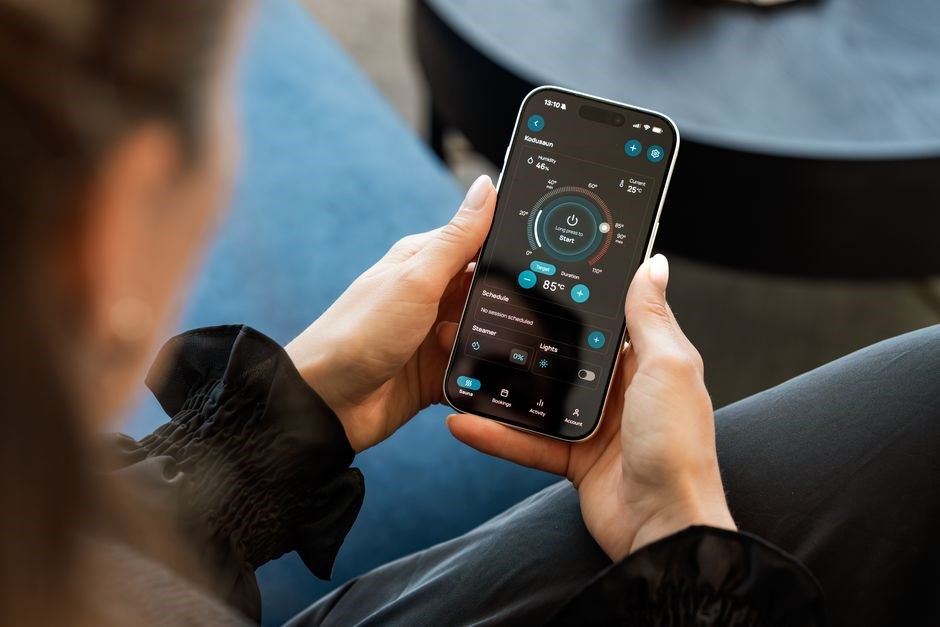
Power and energy management in ambient remote controls focuses on ultra‑low power consumption, energy harvesting, and efficient protocols. Techniques include supercapacitor storage, solar cells, thermoelectric generators, and dynamic voltage scaling. Battery life can exceed a year with proper design!

Energy Harvesting Techniques
Ambient remote controls rely on several harvesting methods to sustain operation without batteries. Solar cells integrated into housings capture daylight or indoor illumination, converting photons to millivolt levels that, when stored in supercapacitors or thin‑film batteries, power microcontrollers and BLE radios. Thermoelectric generators exploit temperature gradients between device surfaces and surroundings, generating micro‑voltages that accumulate in energy‑storage modules. Radio‑frequency harvesting captures ambient Wi‑Fi or BLE signals; rectenna arrays convert RF energy into usable DC, enabling self‑charging in high‑density networks. Bio‑fuel cells, though still experimental, convert glucose or lactate in the human body into electrons, offering a potential source for wearables. Integration of these sources requires ultra‑low‑power microcontrollers, dynamic voltage scaling, and power‑management ICs that switch between harvesters, buffer storage, and active modes. Duty‑cycling of sensors and radios, coupled with adaptive sleep schedules, maximizes harvested energy usage. Emerging techniques such as triboelectric nanogenerators and hybrid solar‑thermal cells promise higher efficiencies, pushing ambient remote controls toward perpetual operation in diverse environments. Hybrid harvesting modules integrate multiple sources, and power‑management ICs allocate harvested energy to maintain continuous operation, in low‑light environments.!